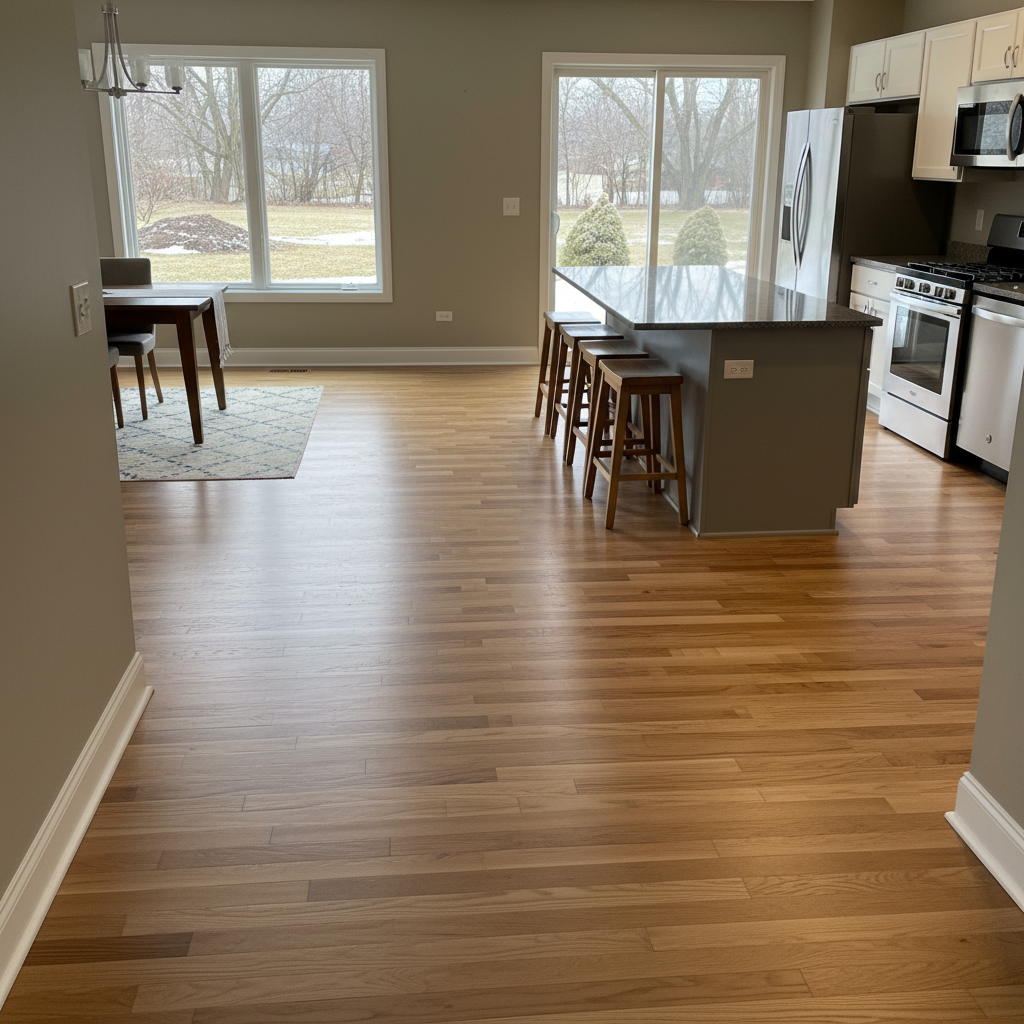
So, you're thinking about new kitchen floors? That's a pretty big deal, and it really can change how your whole home feels. But before you get too excited about that perfect hardwood or sleek tile, we need to chat about something super important: our Freeport weather. It's not just about what looks good, you know? It's about what actually lasts, especially with the wild temperature swings we get here in Northern Illinois.
When's the Best Time for Kitchen Flooring Installation?
Honestly, for most kitchen flooring types—especially wood or luxury vinyl plank (LVP)—the best time to put them in is when your home's humidity levels are pretty steady. What exactly does that mean for us folks in Freeport? Well, it usually points to late spring or early fall. Think April, May, September, or October.
Why those months? Our summers are muggy, and then our winters get dry as a bone, thanks to all that forced-air heat. Wood floors, in particular, are like sponges; they'll puff up when it's wet and shrink when it's dry. If you install them in the middle of summer when they're all swollen with moisture, they'll just pull apart in winter, leaving gaps. And if you put them in during winter when they're bone dry? They'll buckle and cup when that summer humidity hits in July.
LVP and engineered wood are a bit more forgiving, sure, but even these materials need time to get used to your home's normal conditions. We always tell people to let the materials sit in their house for at least 48 to 72 hours before we even start. It's not just a suggestion; it’s a crucial step to avoid big headaches down the road. You wouldn't want those beautiful new floors to start acting up after only a few months, would you?
How Our Weather Affects Your Flooring Project
Our climate isn't just about temperature, you see; it's all about moisture. We get those heavy spring rains, then humid summers, and after that, the dry, cold winters. This constant back-and-forth really stresses building materials, and flooring is definitely no exception.
- Humidity and Wood: I already mentioned this, but it's worth repeating. Solid hardwood is the most sensitive. Engineered wood is more stable because of its layered construction, but it's not completely immune.
- Moisture and Subfloors: This is a huge one. If your subfloor isn't dry enough, you're just asking for trouble. We always check moisture levels before we lay anything down. If you live in an older home, especially one with a basement that's seen some dampness, we really have to be extra careful. I've seen too many problems pop up from rushing this step, especially in some of those older houses near Krape Park where basements can get a little musty.
- Temperature Swings: Extreme cold or heat during installation can mess with adhesives and how materials lie flat. That's why working in a climate-controlled environment—your home, obviously—is key. We can't control the weather outside, but we can make sure your kitchen is ready for the work.
Protecting Your Investment Year-Round
So, you've got your gorgeous new floors from Mighty Kitchen Solutions. Now, how do you keep them looking great for years, especially with our Freeport climate?
First off, control your indoor environment. A good humidifier in winter and a dehumidifier in summer can make a world of difference, particularly for wood floors. Try to keep the relative humidity between 35-55%. It's good for your floors, and honestly, it's good for you too.
Next, spills happen. In a kitchen, they happen a lot. Clean them up right away. Don't let water sit on any type of flooring, even supposedly waterproof LVP. While LVP might not swell, water can still sneak into seams and cause issues with the subfloor over time.
Use doormats at all your entrances. Those tiny bits of grit and moisture tracked in from outside are abrasive. They'll scratch and dull your floors faster than anything else. Felt pads on furniture legs are also a must. Dragging a chair across a brand new floor is enough to make any homeowner just cringe.
Regular cleaning is important, but don't go overboard with water. For most floors, a damp mop (not soaking wet) is all you need. Follow the manufacturer's recommendations for cleaning products; harsh chemicals can strip finishes or damage materials, after all.
Finally, just keep an eye on things. If you notice any cupping, gapping, or strange noises, deal with them sooner rather than later. Sometimes it's a simple fix, but catching it early can stop a small problem from becoming a major repair. Your kitchen floor is a big part of your home's foundation, and with just a little care, it'll serve you well for a long, long time.