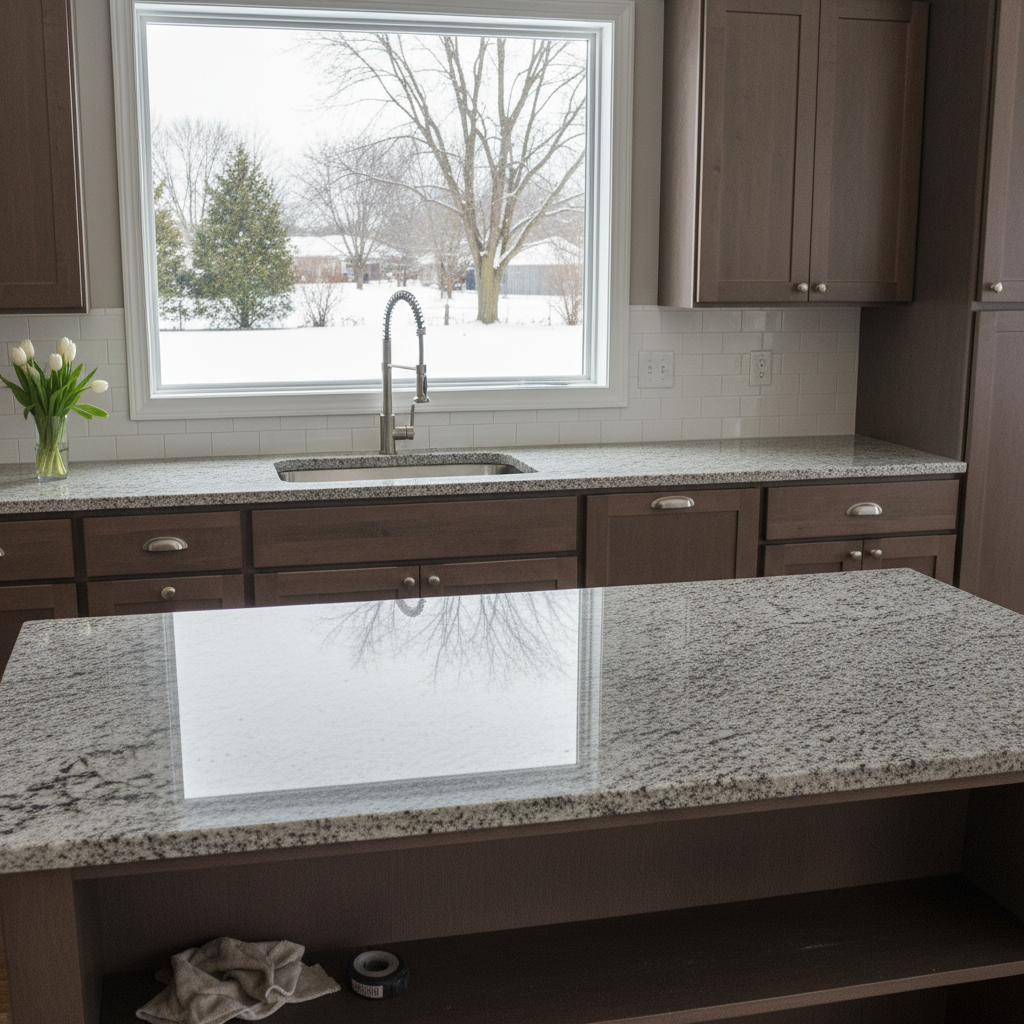
You're ready for new kitchen countertops, that's exciting. But before you jump into picking out that perfect quartz or granite, let's talk about something important: when to actually get them installed here in Freeport. Our weather isn't always the easiest to work with, and understanding how it affects your project can save you headaches and help protect your investment.
When's the Best Time to Install Countertops?
Honestly, there's no single 'perfect' season for every single kitchen remodel, but when it comes to countertops, especially stone or engineered stone, there are definitely better times than others. Here's what I usually tell folks:
Late Spring to Early Fall (May-September): This is generally your sweet spot. The weather's more predictable, temperatures are moderate, and humidity isn't usually through the roof like it can be in mid-summer. Good weather means easier transport of materials, less stress on adhesives and sealants as they cure, and generally a smoother installation process. Plus, if we're doing any work that involves opening up your kitchen to the outside, like bringing in large slabs, you don't have to worry about freezing temps or pouring rain.
Winter (December-March): It's doable, but it comes with more challenges. Think about trying to move a massive granite slab through a foot of snow or when the wind chill is below zero. Not fun for anyone, and it can actually be a safety hazard. Plus, extreme cold can affect how some adhesives cure. We'll always make it work, but you might see more delays or need extra precautions to keep your home warm and protected during the process.
Mid-Summer (July-August): While it's warm, sometimes the humidity can be a beast. High humidity can slow down the drying and curing times for certain glues and sealants. It's not a deal-breaker, but it's something we're always mindful of. We'll make sure your home is properly ventilated and cooled during installation to minimize any issues.
How Our Freeport Weather Plays a Role
You know how our weather here in Freeport can be, right? One day it's sunny and 70, the next it's a blizzard or a torrential downpour. This isn't just an inconvenience; it actually impacts the practical side of countertop installation.
For example, when we're talking about natural stone like granite or marble, those slabs are heavy. Really heavy. Trying to maneuver them up icy steps or across a muddy yard after a spring thaw, especially in some of the older neighborhoods with tighter access, is tough. It increases the risk of damage to the slab or, more importantly, to the crew. We've got specialized equipment and trained guys for a reason, but Mother Nature always has the final say.
Temperature and humidity are big factors for the materials themselves. Adhesives, epoxies, and sealants all have optimal temperature ranges for curing. If it's too cold, they might not bond properly. If it's too humid, they might cure too slowly or not as strong. We always use professional-grade products designed to perform well, but giving them the best environment helps ensure a long-lasting, flawless finish.
Protecting Your Countertop Investment Year-Round
Once your beautiful new countertops are in, you want them to last. Here's how to keep them looking great, no matter what the Freeport seasons throw at them:
Mind the Heat: Our kitchens get hot, especially when you're cooking up a storm. Always use trivets or hot pads under hot pots and pans. Even engineered stone, which is pretty durable, can be damaged by extreme direct heat. Natural stone can also be affected, leading to thermal shock or discoloration.
Clean Up Spills Promptly: This is a big one. Especially with acidic liquids like lemon juice, vinegar, or wine. Natural stone is porous and can stain or etch if spills are left too long. Even non-porous surfaces like quartz can get discolored by certain chemicals or dyes. A quick wipe-down with a mild, pH-neutral cleaner is usually all it takes.
Seal Your Stone (If Applicable): If you've got natural stone like granite or marble, it needs to be sealed periodically. How often depends on the stone and how much use it gets, but generally every 1-3 years. This sealant acts as a barrier against stains. We'll go over this with you after installation, but it's crucial for long-term care. Quartz and other engineered surfaces typically don't need sealing.
Avoid Harsh Chemicals: Stay away from abrasive cleaners, scouring pads, and harsh chemicals like bleach, ammonia, or oven cleaner. These can damage the surface, dull the finish, or break down sealants. Stick to cleaners specifically designed for your countertop material, or just good old soap and water.
Use Cutting Boards: Don't cut directly on your countertops. Even though many materials are scratch-resistant, they're not scratch-proof. You'll dull your knives and potentially scratch your beautiful surface. Plus, it's more hygienic to use a cutting board.
At Mighty Kitchen Solutions, we're here to help you through every step, from choosing the right material to making sure it's installed perfectly and lasts for years. If you're thinking about new countertops, give us a call. We can talk through the best timing for your project and make sure you're set up for success, whatever the weather decides to do.